

Bought this about five months ago after my old wired headset finally gave up the cable developed that annoying crackle on one side that gets progressively worse until you’re only hearing audio in one ear. I’d been putting off going wireless because I had vague concerns about latency and battery anxiety. Neither turned out to be the problem I expected.
Setup and First Impressions
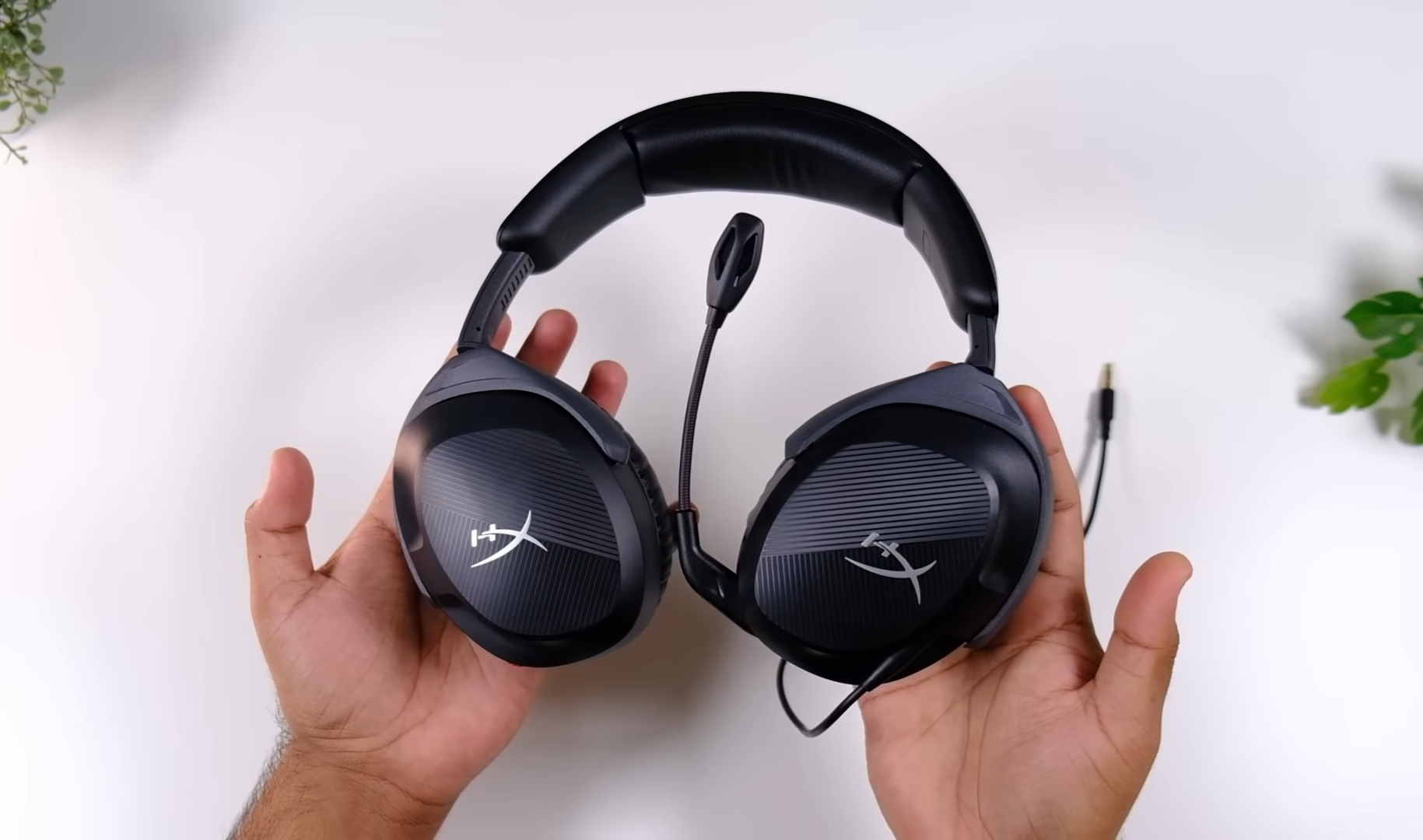
The box contains the headset and a user manual. That’s it no charging cable in the box which caught me off guard initially. It charges via USB-C which I already had cables for, so not a practical problem, but worth knowing before you open the box expecting everything to be included.
The USB wireless dongle plugs into your PC or laptop and the headset pairs to it automatically. No software required for basic use. Put on headset, turn on, audio works. That simplicity is genuinely appreciated I’ve dealt with headsets that need companion apps just to function and it’s tedious.
First thing I noticed wearing it lighter than expected. 290 grams sounds reasonable on paper and feels reasonable in practice. The clamping pressure is firm enough to stay in place but not so tight that you feel it after an hour. The ear cushions cover the ears fully without pressing against them.
Sound Quality What Actually Matters

The 50mm drivers produce a sound that’s balanced and full without aggressively pushing bass the way some gaming headsets do. This is worth explaining because gaming headsets often boost bass to make explosions and gunfire sound dramatic, which is initially impressive and becomes fatiguing over long sessions. The Cloud Stinger 2 doesn’t do this. It sounds more natural which means you can wear it for three or four hours without your ears feeling tired.
For gaming specifically footsteps are audible, directional audio is decent for a stereo headset, and the sound of different weapons and environments is distinguishable without everything blending together. In Valorant I can hear the difference between footsteps one floor above and footsteps at the same level, which is the practical test that matters.
For music it’s pleasant rather than exceptional. Pop and hip-hop work well. Classical and acoustic sound decent. If music is your primary use case rather than gaming there are better-sounding options at this price but for a gaming headset that also handles music acceptably it’s fine.
Movies and YouTube content dialogue is clear, effects are present and positioned correctly, overall a comfortable experience for extended watching sessions.
The Wireless Performance

This is where the headset genuinely earns its price over cheaper wired alternatives. The 21ms latency is low enough that I’ve never noticed audio being out of sync with gameplay or video. In five months of daily use I’ve had maybe two brief dropouts both during moments when I walked to an adjacent room and the wall between me and the dongle is solid concrete. Within normal room range it’s been completely stable.
20-metre wireless range is more than sufficient for desktop use and moving around a room. The freedom of not having a cable is something you appreciate most the first time you stand up to reach something without having to take the headset off.
The ANC Useful But Not Premium
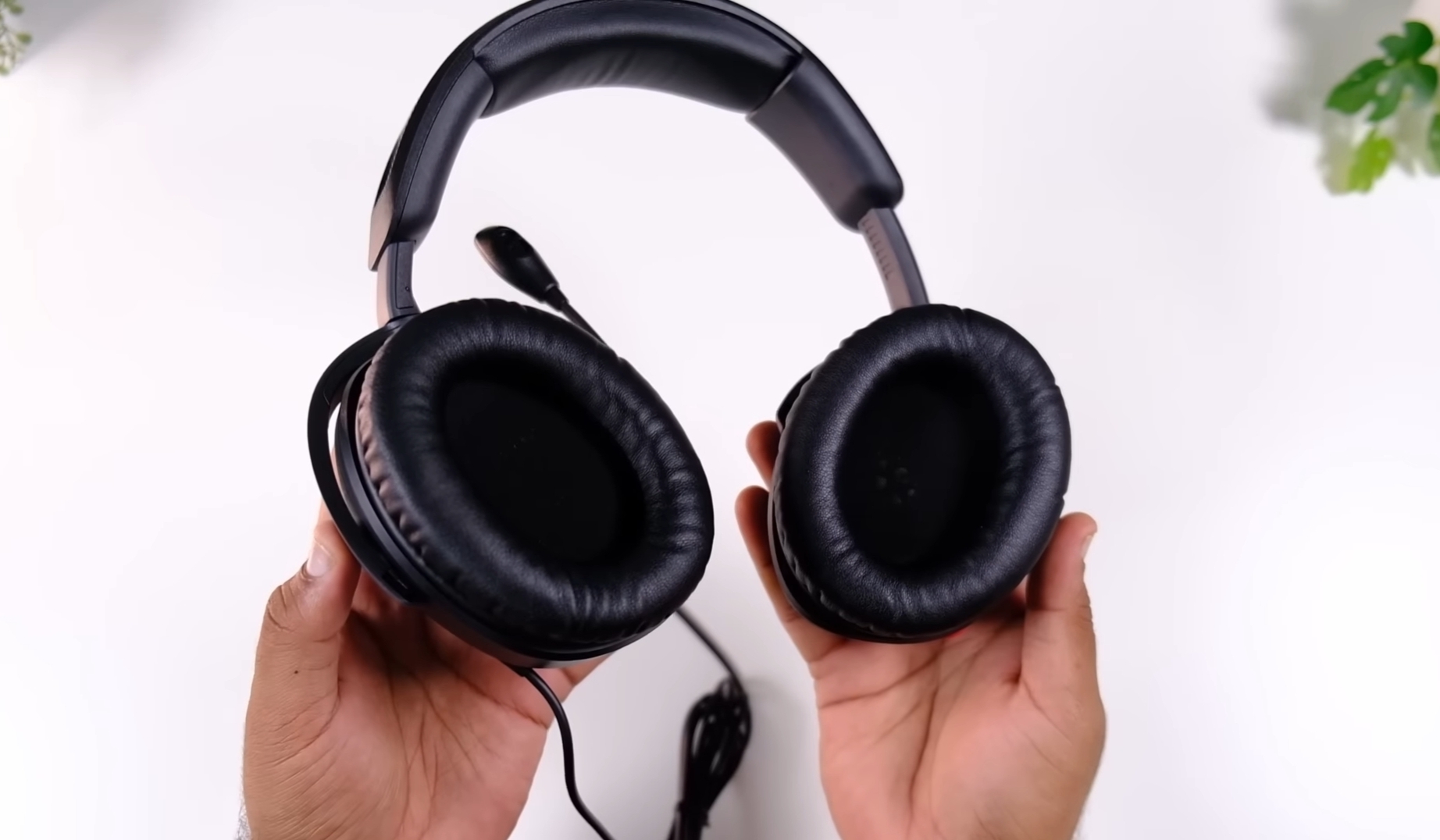
Active Noise Cancellation is present and genuinely functional at a basic level. It reduces constant background sounds desk fan, air conditioning hum, ambient room noise. It does not eliminate sharp or sudden noises effectively and it won’t match the ANC quality of dedicated noise-cancelling headphones from Sony or Bose.
In practical terms: if you’re gaming in a quiet room with a noisy PC or fan, ANC helps. If you’re in a busy shared space with loud voices around you, ANC takes the edge off but doesn’t create silence. Knowing this going in means you won’t be disappointed it’s a useful bonus feature at this price, not a headline capability.
Battery One Important Caveat
20 hours of battery life is accurate in my experience. I game for roughly two to three hours an evening and charge every four to five days. No complaints there.
The charging time being listed as up to 20 hours in the specs is the thing I want to flag clearly because it’s genuinely unusual and confused me when I first read it. In practice mine charges in around three to four hours from nearly empty but the spec sheet number surprised enough people that it’s worth addressing directly. Charge it overnight if you want to be safe.
Microphone Functional for Its Purpose
Clear enough for gaming voice chat and work calls. People I’ve spoken to on Discord and Teams have had no complaints. It picks up voice clearly without making you sound like you’re talking through a pillow. It also picks up keyboard noise in quiet moments which is typical for integrated gaming headset microphones rather than a specific flaw of this model.
For streaming or recording audio where you need professional voice quality this isn’t the right tool. For its intended purpose of team communication during gaming it does the job without issues.
Comfort Over Long Sessions
Three to four hour gaming sessions without significant discomfort. The ear cushions are soft enough that the ears don’t feel pressed against hard surfaces, and the headband doesn’t create a pressure point at the top of the head that some headsets do. My glasses-wearing friend borrowed it for an evening and said it was comfortable with his frames, which is relevant information since glasses and over-ear headsets are often a friction point.
After five months the cushion material still looks and feels the same no degradation or peeling which cheaper headsets sometimes show within a few months.
Compared to Redgear and Logitech
Redgear wireless headsets in the same price range cut costs on audio quality and wireless stability. The bass-heavy tuning sounds impressive in demos but gets tiresome in long sessions. Wireless dropouts are more frequent in my experience with Redgear products. For someone prioritizing budget above everything else Redgear is an option for anyone who’s going to wear this for hours daily the HyperX is a better investment.
Logitech makes genuinely excellent headsets. The G435 sits near the HyperX in price and is a legitimate alternative worth comparing lighter, decent sound, good wireless. The Cloud Stinger 2 has better driver size and slightly more immersive sound in my experience, but the Logitech is competitive. If you’re choosing between the two specifically, try both if possible before deciding.
Price

The main wireless model (676A2AA) between ₹6,000 and ₹6,500 on Amazon and at electronics retailers. The 40mm variants in blue and black styles are more affordable at ₹3,500 to ₹4,500 different driver size and feature set so compare carefully before assuming they’re equivalent. Don’t pay significantly above the ranges listed for the standard model.
Five Months In Worth It?
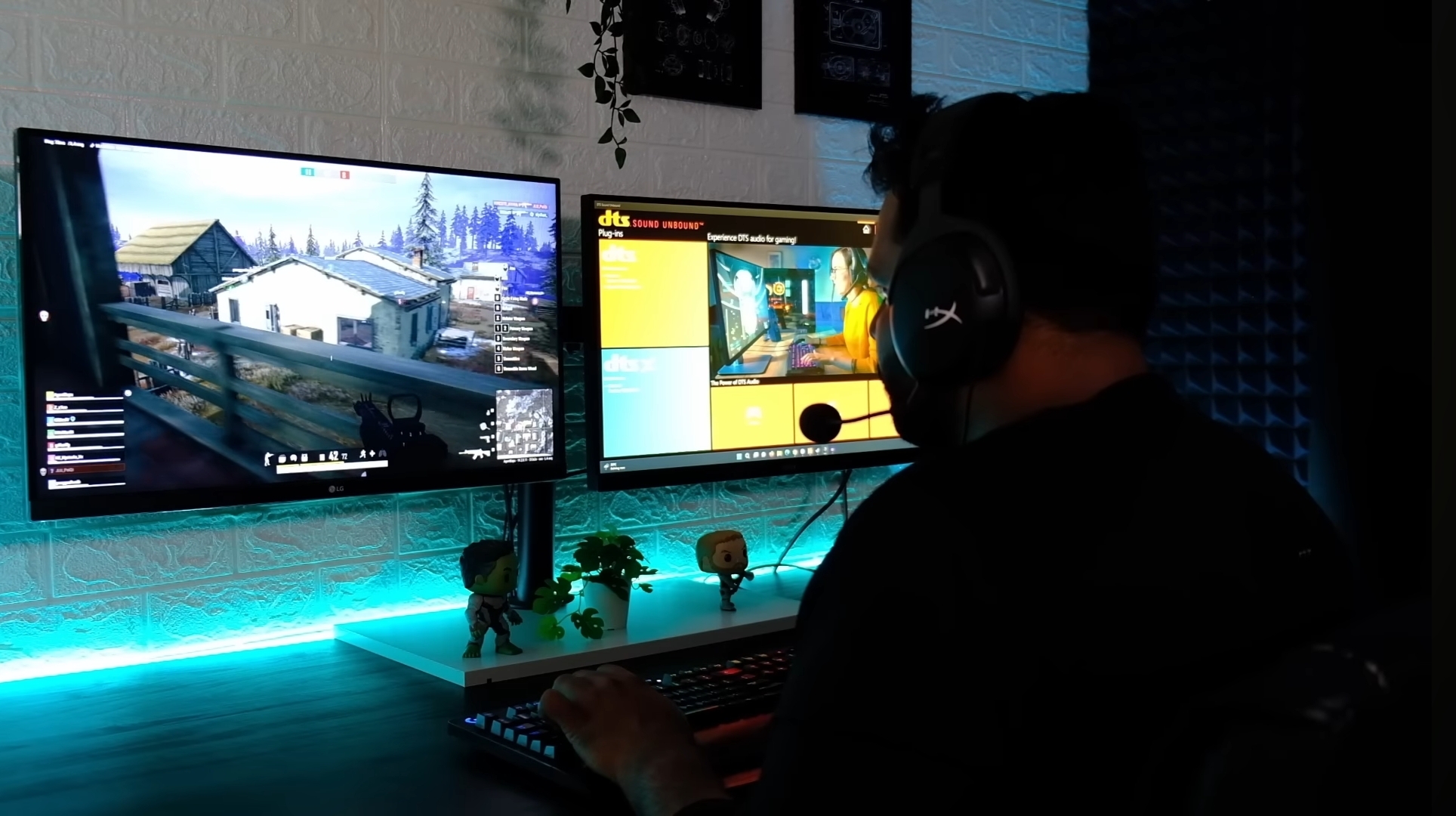
For a PC gamer who wants reliable wireless audio without paying premium prices and without dealing with the compromises of cheaper wireless headsets yes. The sound is balanced, the latency is genuinely low, the comfort holds up over long sessions, and the wireless has been stable in daily use. The charging time quirk is the only thing I’d want more people to know about upfront.
HyperX Cloud Stinger 2 Wireless Full Specifications
| Category | Details |
|---|---|
| Brand | HyperX |
| Model | Cloud Stinger 2 Wireless (676A2AA) |
| Type | Over-Ear Wireless Gaming Headset |
| Driver Size | 50mm Dynamic |
| Frequency Response | 20Hz to 20,000Hz |
| Impedance | 32 Ohms |
| Sensitivity | 104.5 dB |
| Noise Control | Active Noise Cancellation |
| Wireless Range | Up to 20 metres |
| Latency | ~21ms |
| Battery Life | Up to 20 hours |
| Microphone | Built-in |
| Controls | On-ear volume and button controls |
| Weight | 290g |
| Colour | Black |
| Compatible Devices | PC, Laptop |
| Warranty | 2 Years |
| Country of Origin | China |
Questions about specific use cases or how it compares for your particular setup drop them in the comments.
