

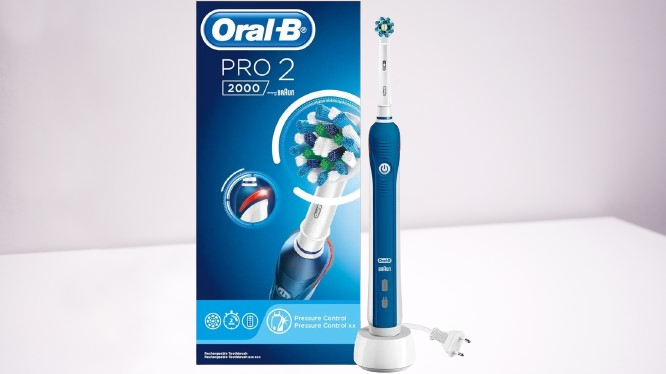
I’m going to be direct about something. I thought electric toothbrushes were a gimmick for years. A way to charge ₹3,000 for something a ₹50 toothbrush and two minutes of effort could handle. My dentist disagreed with this view at basically every checkup. I nodded politely and kept using a manual brush. Then last year she showed me a photo of what was happening to my gum line and I stopped arguing. Bought the Oral-B Pro 2 that evening.
That was about eight months ago. Here’s whether she was right.
Why I Specifically Bought This Model
The Pro 2 2000 sits in the middle of Oral-B’s lineup not the cheapest, not anywhere near the top. The two things that made me choose it over cheaper options were the pressure sensor and the two brushing modes. Both turned out to be genuinely useful rather than just spec sheet additions.
First Week Adjustment Period Is Real
Nobody warns you about this. The first few days with an electric toothbrush feel strange. The rotating oscillating head moves differently from what your hand is used to doing and the sensation takes some getting used to. My gums felt slightly tender after the first couple of sessions which I initially read as a problem but turns out is normal as your mouth adjusts to more thorough cleaning.
By day five it felt normal. By week two I couldn’t imagine going back to a manual brush.
The Pressure Sensor This Was the Point for Me
My dentist’s specific complaint was that I was brushing too aggressively. Aggressive brushing wears down enamel and recedes gum tissue over time. Manual brushing gives you no feedback about this you’re just guessing at pressure.
The pressure sensor on the Pro 2 slows the brush head and activates a light when you’re pressing too hard. First week I triggered it constantly. I didn’t realize how much pressure I was applying until the brush started telling me. By week three I rarely triggered it the feedback loop had recalibrated my muscle memory.
Eight months later my dentist noticed the difference at my last checkup. The gum recession that had been gradually progressing had stabilized. That’s the most objective evidence I can give about whether this brush works.
The 3D Cleaning Motion
Rotate, oscillate, pulsate the round head moves in three ways simultaneously rather than the back-and-forth of a manual brush. What this feels like in practice is that each tooth gets cleaned from multiple angles in the same brushing motion rather than one pass with bristles.
The smooth clean feeling after brushing is noticeable from day one. Teeth feel like they’ve been professionally cleaned rather than just scrubbed. That feeling persists through the day in a way I didn’t get from manual brushing. Whether that’s psychological or genuinely more plaque removal I can’t say for certain, but the dentist data from my checkup suggests it’s not just psychological.
Two Minute Timer and Quadrant Pauses
The brush runs for two minutes and stops automatically. Every 30 seconds it briefly pauses to signal you to move to the next quadrant of your mouth. This structure upper left, upper right, lower left, lower right ensures every area gets equal attention.
I used to stop brushing whenever it felt like enough which was probably around 90 seconds on a rushed morning. The timer removes that decision. Two minutes, four quadrants, consistent every day. Sounds minor, genuinely improves results.
Daily Clean vs Gum Care Modes
Daily Clean is more intense. Gum Care runs at a gentler speed designed specifically for the gum line. I use Daily Clean in the morning and Gum Care at night. The evening session on Gum Care is noticeably softer and feels more like a massage than a scrub comfortable after a long day when gums can feel more sensitive.
Battery Charge Once, Forget for Two Weeks
Two weeks per charge brushing twice daily. I charge it on the first of every month roughly and it hasn’t run out between charges in eight months. The charging stand is small takes up less bathroom counter space than I expected. Just sits there and the brush lives on it between uses.
Brush Head Maintenance
Pull the old head off, press the new one on. Oral-B recommends every three months. The indicator bristles on the head fade from blue to white when it’s time to change a useful visual reminder that doesn’t require remembering the date you last changed it.
Replacement heads in multi-packs on Amazon work out to around ₹300 to ₹400 per head depending on type. That’s the annual running cost. CrossAction is the standard, Sensitive Clean is available if gentleness is a priority. Both fit the Pro 2 handle.
Eight Months Later
My dentist was right. I spent years being politely skeptical and a photo of my gum line finally convinced me. The pressure sensor changed my brushing habits in ways that two-minute advice from a dentist never did. The cleaning results are measurably better based on actual checkup feedback.
For anyone whose dentist has ever mentioned gum issues, brushing technique, or plaque buildup this is a genuinely useful tool and the ₹3,000 to ₹3,500 price is justified by what it delivers over its usable life.
Oral-B Pro 2 2000 Full Specifications
| Category | Details |
|---|---|
| Brand | Oral-B |
| Type | Rechargeable Electric Toothbrush |
| Motion | Oscillate, Rotate, Pulsate (3D Cleaning) |
| Head Shape | Round |
| Bristles | Nylon Soft |
| Modes | Daily Clean, Gum Care |
| Timer | 2-minute auto-stop with 30-second quadrant reminders |
| Pressure Sensor | Yes slows and alerts on excess pressure |
| Battery Life | Up to 2 weeks per charge |
| Charging | Inductive charging stand |
| Colour | Blue |
| Dimensions | 11.1 × 5.5 × 25.3 cm |
| Weight | 263g |
| Country of Origin | Germany |
| Warranty | 2 Years |
| India Price | ₹3,000 to ₹3,500 |
Questions about switching from a manual brush or specific dental concerns drop them in the comments.
